
Written by Hannah Boyd
Naturopath, Herbalist, Nutritionist, BA, Adv Dip Nat, Nut, WHM.
How Iron Deficiency appears in clinic
I see a lot of iron deficiency in women in clinic. This post discusses what iron deficiency looks like and what causes it. In Part II of this post (coming soon) you’ll discover the naturopathic secrets to improving your Iron stores.
Remember, not every woman is low in iron or suffering from anaemia, even if some of the following symptoms sound like you – so please always get a blood test before supplementing.
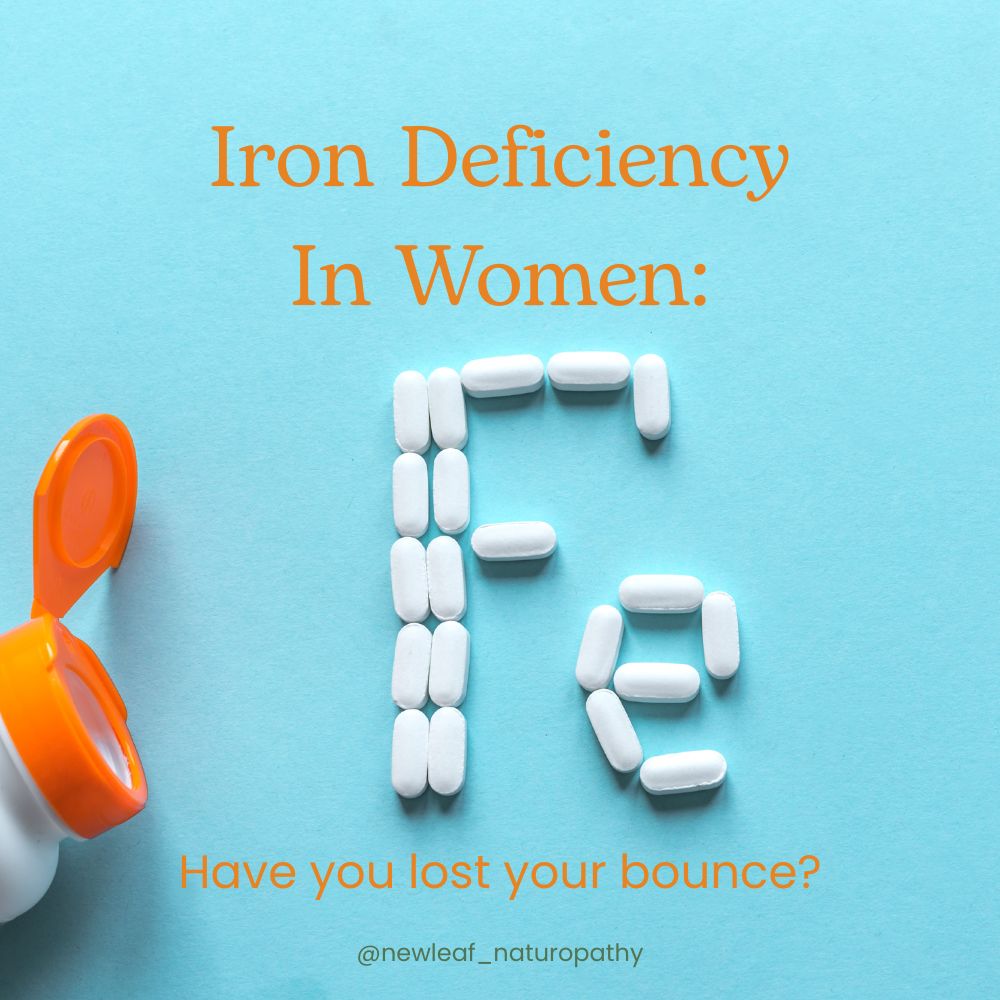
Iron Deficiency in Women
I love educating my clients on how to read their iron studies results. Once they understand what it all means, they can understand what is happening to them and catch it before it happens again. Once you recognise that many of the symptoms you are experiencing are due to low iron, you can pick it up quickly and get your bounce back fast.
Iron deficiency is defined as the decrease of the total content of iron in the body. Whereas iron deficiency anaemia occurs when Iron deficiency is sufficiently severe to reduce production of Red Blood Cells.
Why do we have Iron?
Iron has a number of important roles in the body. It is an essential mineral so we need it to survive. Some of Iron’s most important roles include:
- Moving oxygen around the body
- To support the immune system
- To synthesise amino acids, hormones, various vitamins and collagen
- To help liver detoxification pathways
This list may look short, but these are some of the most vitally important functions of the body.
Symptoms of Iron Deficiency
So, here’s the thing, Iron deficiency in women has a bunch of symptoms that seem so benign and common. If this sounds like you please don’t assume that Iron is the problem – get down to the doctor for a blood test.
- Fatigue: falling asleep on the couch in the evenings, slumping at work in the afternoon
- Lack of focus and motivation
- Just feeling a bit meh all the time: your enthusiasm for life seems to have gone
- Low libido: no desire (or energy) for sex despite feeling like you should.
- Shortness of breath: walking up those stairs shouldn’t tire you out so much
- Recurrent Infections: Always picking up colds, flu and other bugs
- Brittle hair, skin and nails
- Dizziness and weakness
- Restless leg syndrome and tingling in legs or arms.
- In children: all of the above and poor appetite and failure to thrive.
Where do we get Iron from?
As Iron is an essential mineral, we must get it through our diet. Eating Iron-rich foods is the easiest way to get iron; however, iron infusions (via injections) are also available for extreme cases of Iron Deficiency Anaemia.
Iron comes in two forms Haem Iron (found in animal products) and Non-Haem Iron (found in plant based products).
HAEM IRON:
- It is easier for the body to utilise the iron found in animal products.
- Sources include liver, lean red meat, poultry, fish, oysters, clams, shellfish, kidney and heart.
NON-HAEM IRON
- Non-Haem Iron comes from plants.
- Vegetarian sources of Iron include spinach, and other dark leafy green, soybeans, and tofu product, lentils, chickpeas and beans, blackstrap molasses, nuts and seeds (including tahini), dried fruit.
IRON SUPPLEMENTS
- As with pretty much everything you buy, not all products are equal. This is especially true when looking at Iron supplements.
- If your blood tests show you are low in Iron stores (ferritin), and have some irregular patterns in your other Iron Study markers (transferrin, saturation) then an Iron supplement may be just want you need.
- Unfortunately, certain Iron supplements can cause constipation, which puts many people off taking them.
- To avoid this, please stick to Iron forms such as Amino Acid Chelate or Bisglycinate and give Ferrous Fumarate or Sulphate a miss.
HINT: Iron really needs an acidic environment to be absorbed well so please include vitamin c with your plant-based iron intake. It’s as simple as adding lemon juice to your sauteed spinach, or a piece of fruit with your seeds.
How much Iron do we need?
Women & AFABs need more Iron than men, mainly due to the fact that we lose iron with our period. Menstruating women aged between 19 and 50 need at least 18mg of Iron daily. Pregnant women need more at around 27mg per day. Other times when increased Iron is needed is during periods of rapid growth, such as in early childhood and adolescence, or in athletes.
Reasons why your Iron is low:
You can’t just throw iron at a problem and expect it to be fixed. We’ve seen this time and time again, and with naturopathic philosophy, it’s about finding the drivers of disease and addressing these to help the body back to balance.
There are many reasons why you may be suffering from Iron deficiency, and these will need to be addressed in order to get your Iron levels up to a suitable level.
So please discuss your case with a health professional before self-prescribing supplements. Book an appointment with one of us today to get your bounce back.
For example, if you suffer from heavy periods and are losing a lot of blood every month, you will need to address the underlying cause to correct the deficiency!
Some other common causes of low iron and low ferritin:
- Digestive disorders
- Heavy periods or frequent periods (polymenorrhea)
- Poor dietary intake of Iron.
- Cancer/polyp: colon, stomach, esophagus, small bowel
- Peptic ulcer, esophagitis
- Celiac disease
- NSAID use (Ibuprofen or Naprogesic)
- Inflammatory bowel disease: ulcerative colitis, Crohn’s disease
- Bacterial overgrowth
- Gut resection or bypass
References Available: Please get in touch if you have any questions.