
Written by Hannah Boyd
Naturopath, Herbalist, Nutritionist, BA, Adv Dip Nat, Nut, WHM.
How much protein is there in vegetarian food?
Adding protein to your diet IS NOT about weight loss. We need protein for all functions of life, energy, tissue repair, brain health, and immune health.
All these a naturopath naturopath-approved.. but if you need more help, come and chat with us – we’ll get your plate fueling your life in a way that will have you skipping down the street.
Wholefood Plant-based Proteins that don't suck
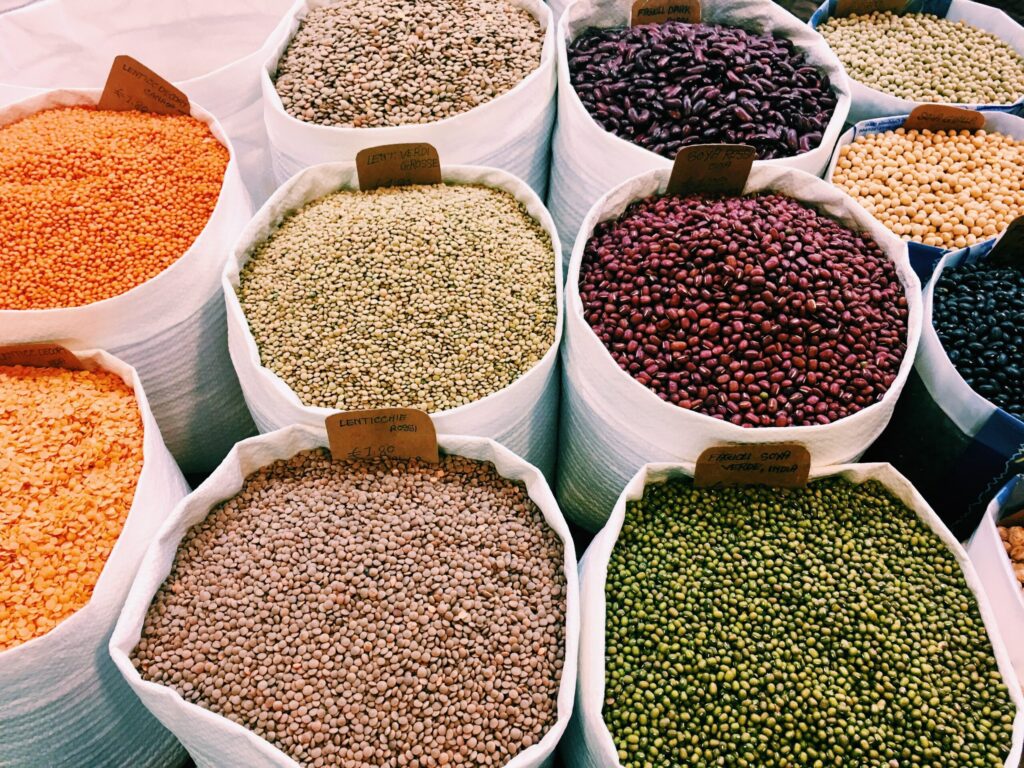
Pulses: Pulses such as lentils, chickpeas, black beans, and kidney beans are excellent sources of protein. They can be used in soups, stews, salads, and more. They are excellent for your digestive health as well – so including them will help your overall health.
Tofu: Tofu is a versatile source of protein that can be used in a wide variety of dishes, from stir-fries to smoothies. Firm tofu is higher in protein compared to silken tofu. The issue many people have with tofu is that it doesn’t taste like anything, so you really have to think of it as a vehicle for carrying flavour. You can pack it flavour – we go to NYTimes, 101 Cookbooks or ABC Everyday for inspro.
Tempeh: Tempeh is a fermented soybean product that is rich in protein and has a nutty flavour. It’s great for grilling, sautéing, or crumbling into dishes. If you can find the fresh Indo variety, you’ll love it.
Seitan: Seitan, also known as wheat gluten or wheat meat, is a high-protein meat substitute. It can be used in a variety of savoury dishes, often with a meat-like texture. We love Suzy Spoons for Inner West, locally made with less processing as a lot of the seitan you see can be really, really processed which should be minimised.
Greek & Skyr Yogurt: Greek yogurt is higher in protein compared to regular yogurt and makes an excellent breakfast or snack option. You can also use it in smoothies and dressings, a dollop on the dal.
Eggs: Eggs are a complete protein source and can be prepared in many ways, such as boiled, scrambled, or in omelettes.
Quinoa: Quinoa is a grain that’s a complete protein source, making it an excellent choice for vegetarian diets. It can be used as a base for salads, side dishes, or main courses. But lets be clear, it isn’t a protein replacement – it has some protein, and a full amino acid spectrum BUT eating quinoa alone will not even you enough protein if you’re only getting it from plant-based options. Its like a good addition.
Nuts and Seeds: Almonds, peanuts, chia seeds, and hemp seeds are all rich in protein. They can be eaten as snacks or added to smoothies, porridge, and baked goods. (I recommend Flax and walnuts for healthy omegas as well!)
Edamame: Edamame are young soybeans and a great plant-based protein source. They can be enjoyed as a snack or added to salads and stir-fries.
Paneer & Haloumi: Paneer is a fresh Indian cheese with a high protein content. It’s commonly used in various Indian dishes and can be grilled or added to curries.
Nutritional Yeast: Nutritional yeast is a vegan-friendly source of protein and has a cheesy flavour. It can be sprinkled on top of dishes or used to make dairy-free sauces.
Leafy Greens: While not as protein-dense as other options, leafy greens like spinach, kale, and collard greens still contain some protein and are nutritious additions to your meals.
How much protein is actually in wholefood plant-based sources?
People assume plant-based automatically means low protein; it doesn’t, you just need to know where to look. Here’s what a standard serving of some of our favourite wholefood protein sources actually gives you:
Legumes
- Lentils, cooked (1 cup): 18g protein
- Edamame, cooked (1 cup): 17g protein
- Black beans, cooked (1 cup): 15g protein
- Split peas, cooked (1 cup): 16g protein
- Kidney beans, cooked (1 cup): 15g protein
- Chickpeas, cooked (1 cup): 14.5g protein
Soy-based
- Tempeh (½ cup): 15g protein
- Tofu, firm (½ cup): 10g protein
Seeds & nuts
- Hemp seeds (3 tbsp): 10g protein
- Pumpkin seeds (¼ cup): 9g protein
- Peanuts (¼ cup): 9g protein
- Almonds (¼ cup): 8g protein
- Peanut butter (2 tbsp): 8g protein
- Chia seeds (2 tbsp): 4g protein
Grains
- Quinoa, cooked (1 cup): 8g protein
- Green peas, cooked (1 cup): 8g protein
- Wild rice, cooked (1 cup): 6.5g protein
- Rolled oats, dry (½ cup): 5g protein
Other
- Nutritional yeast (2 tbsp): 8g protein
- Spirulina (1 tbsp): 4g protein
Lentils are the standout here: 18g of protein per cup, plus fibre, iron and folate, and they’re one of the easiest wholefoods to just quietly add to whatever you’re already cooking (soups, bolognese, curries, salads). If you’re building a plant-based diet and only remember one thing from this list, make it lentils.
Remember that a balanced vegetarian diet should include a variety of these protein sources along with a mix of fruits, vegetables, whole grains, and healthy fats to ensure you get all the essential nutrients your body needs.
All your Plant Based Protein Questions Answered by a New Leaf Nutritionist
How much protein is in lentils?
One cooked cup gives you about 18g of protein, more than most other legumes, plus a solid hit of fibre, iron and folate. They’re also about as low-effort as wholefood protein gets: no soaking overnight, no fancy prep, just simmer and go. If you only add one thing from this list to your weekly cooking, make it lentils.
What are the best wholefood sources of plant-based protein?
Lentils, edamame, black beans and split peas are your best bang for buck among legumes, tempeh and tofu cover the soy-based options, and hemp seeds, pumpkin seeds and peanuts round things out from the nuts and seeds side. The trick with plant-based protein isn’t finding one perfect food. It’s eating a decent variety across the week so the amino acids stack up.
Is plant-based protein powder a wholefood?
No, and that’s not a dig at protein powder, it’s just what “wholefood” means. Powder is a processed, isolated extract, useful in the right context (post-workout convenience, appetite issues, whatever), but it’s not the same as getting protein from lentils, tofu or seeds alongside all the fibre, micronutrients and other compounds that come bundled in with the whole food.
We do recommend protein powders for our patients – they are an easy way to ensure you’re getting enough protein in. And when asked “what’s the best type of protein powder”, our answer is always the same – whatever one you’ll enjoy drinking
What are the best vegan protein sources if I don't eat soy?
Plenty of options that have nothing to do with soy: lentils, chickpeas, black beans and split peas are all excellent, hemp seeds and pumpkin seeds add protein without much fuss, and quinoa quietly contributes protein alongside your carbs. You genuinely don’t need tofu or tempeh to eat well on a plant-based diet, they’re just convenient, not essential.
Is tofu a complete protein?
Yes, actually! Tofu is one of the few plant foods that contains all nine essential amino acids in decent amounts, which is part of why it’s such a popular protein for vegans and vegetarians. Firmer tofu has more protein per serve than soft or silken, so if protein content is what you’re after, reach for firm or extra-firm.
Can a naturopath help me eat plant-based without missing key nutrients?
Yes, and it’s honestly one of the more common reasons people come to see us. Going plant-based isn’t complicated, but there are a handful of nutrients — B12, iron, zinc, omega-3s, and yes, protein — that need a bit more intention once meat and dairy are off the table. A naturopath can look at what you’re actually eating, check in on bloodwork if it’s relevant, and help you close those gaps without turning your kitchen into a supplement cabinet. If you’re already eating reasonably well but want a second opinion on whether you’re genuinely covering everything, that’s exactly the kind of thing worth a proper consult for rather than guessing from Google.