
Written by Hannah Boyd
Naturopath, Herbalist, Nutritionist, BA, Adv Dip Nat, Nut, WHM.
Certified Microbiome Analyst & Healthy Gut Practitioner
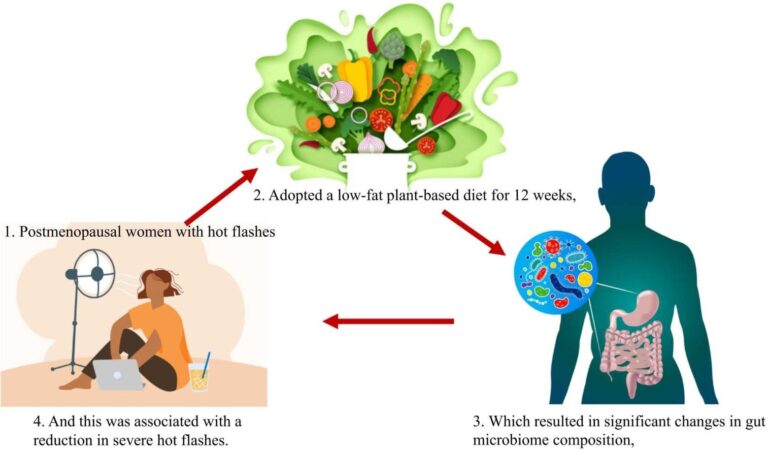
What does gut health have to do with Menopause and hot flushes, you may ask? Well, this research explores “A dietary intervention for postmenopausal hot flashes: A potential role of gut microbiome.” As naturopaths, we love it when research shows the connection between different body systems.
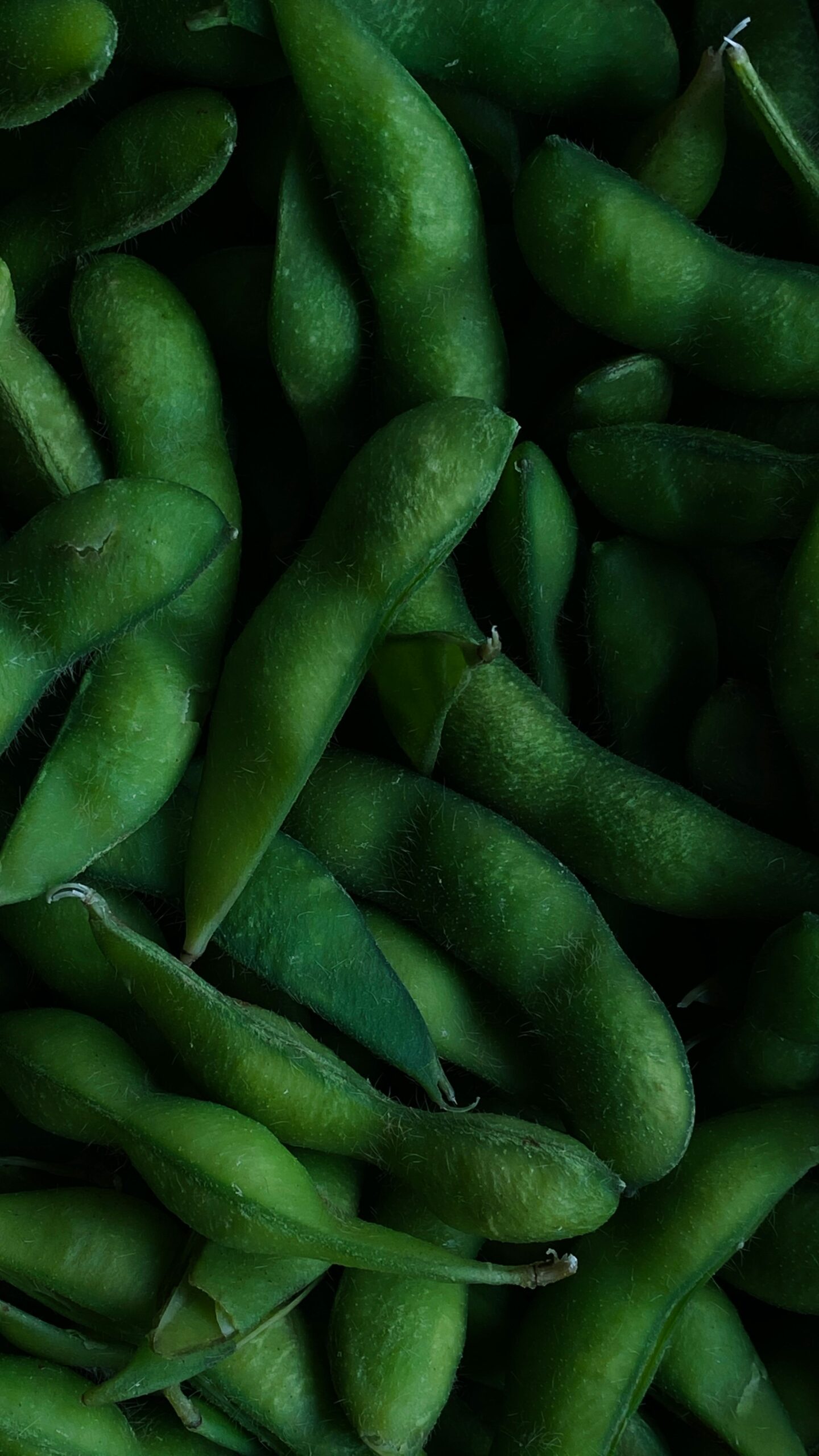
There’s a whole lot more science to do, but the results showed there WAS a reduction in the hot flushes by eating ½ cup of cooked soybeans every day (hello phytoestrogens), and there were some changes in the gut microbiome, which may or may not have contributed.
We love that people are looking at hormone health holistically.
And as practitioners who love exploring the gut microbiome, this type of research translates straight into our clinical practice and patient care.
Would you add some edamame to your meals daily if it would reduce those hot flushes?
What really helps menopausal hot flushes?
We know that during perimenopause it becomes so much harder to get on top of things. We’re really conscious of just reeling of a list of things to do, when you’re already at capacity, pulling your hair out and 80% loosing your sh*t. But, we know these things can really help.
Don’t just start with all of them – pick one thing at a time. They really do make a difference.
- Managing stress is a HUGE factor in reducing these flushes
- Herbal medicine can take the edge off like nothing else!
- Some research shows reflexology & aromatherapy can help
- Getting adequate sleep!
- Reduction in alcohol
- Phytoestrogens in your food (and herbal tonics)
What Causes Perimenopausal Hot Flushes?
Hot flushes aren’t just happening to annoy you (although we know they do). They happen in response to a whole lotta change that your body is going through. Here’s what we know about the causes of perimenopausal hot flushes.
- We know they start with changes in the hypothalamus, a part of the brain that regulates body temperature.
- Oestrogen levels before and after menopause will go on a wild rollercoaster ride. One day it’s high, the next minute its down, and it’s this wild ride that contribute to these changes.
- The temperature regulation set point in the hypothalamus is thought to be altered.
- This alteration is linked to low or fluctuating oestrogen levels.
- A small increase in core body temperature may be a key trigger.
- Neurons in the brain, which undergo hypertrophy after menopause, play a role in this thermoregulatory dysfunction.
- Neurons cause increased signalling to heat dissipation effectors in the central nervous system (CNS).
- Signals also affect gonadotropin-releasing hormone (GnRH) neurons related to reproductive hormones.
- Oestrogen interacts with neurotransmitters like norepinephrine, endogenous opioids, and serotonin.
This interaction is considered part of the mechanism leading to hot flashes and night sweats.
We know there’s loads of noise out there when it comes to perimenopause and what you should be doing. Thats why we’re here to help.
From the research