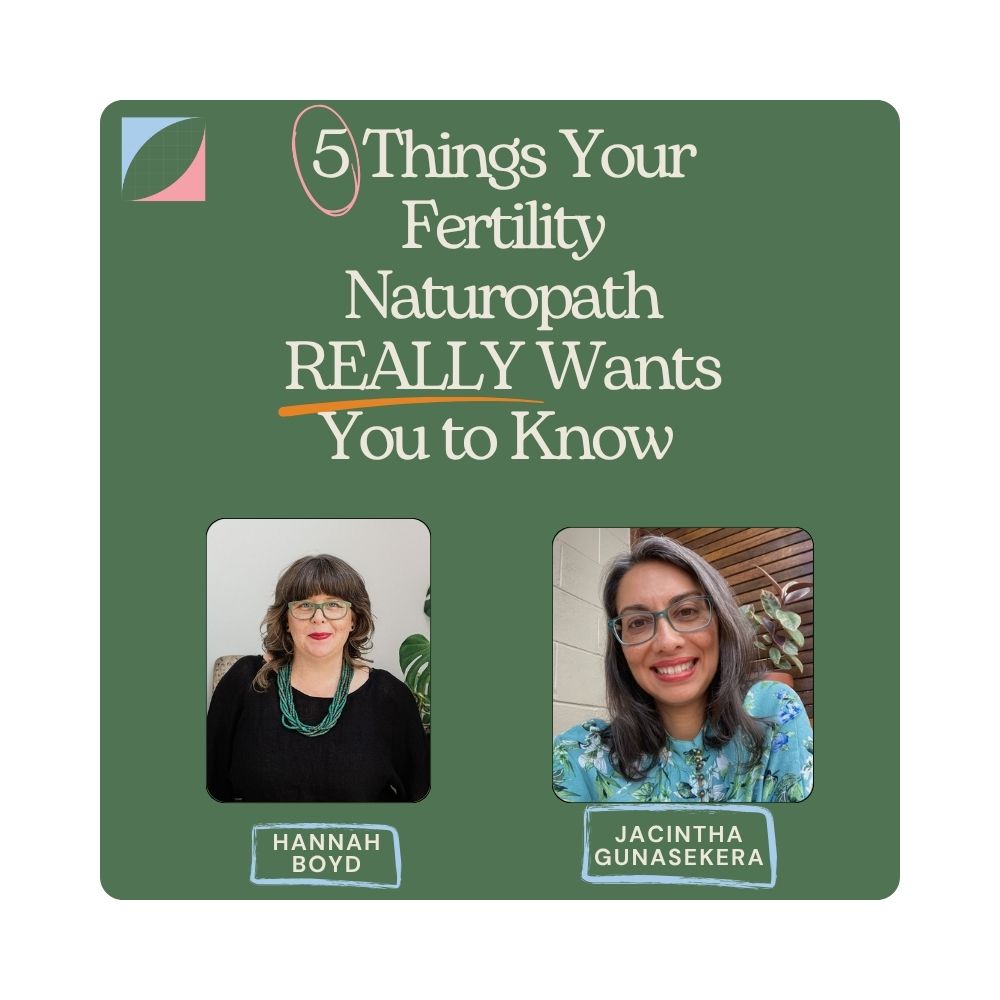

Written by Hannah Boyd
Naturopath, Herbalist, Nutritionist, BA, Adv Dip Nat, Nut, WHM.
How do you know when you're in Perimenopause?
Finally, you reach the age where you feel like you’re getting things together, well some of the time at least…Usually, sometime in your 40’s, the kids (if you have them) are becoming more independent, and you’re feeling more confident in your career and relationships, and more confident in your body.
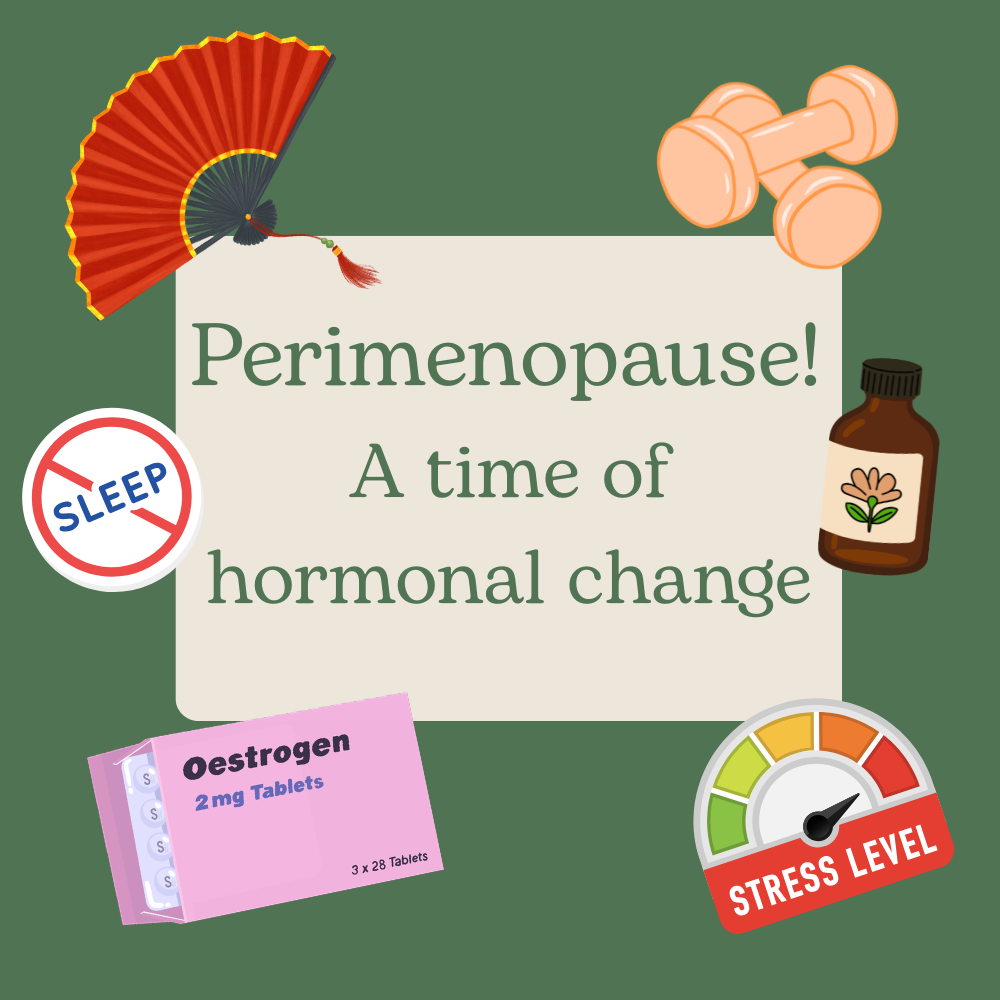
Then BAM! You start to feel irritable all the time, or the lead-up to your period starts to become intolerable physically and/or mentally. Your menstrual cycle might start to go haywire or your bleeds may become especially heavy. Sleep goes out the window and anxiety becomes a daily visitor.
This can be the experience of many people when they enter the time of life leading up to menopause. It’s called perimenopause and can last for up to ten years!
This ‘second puberty’ is a time when progesterone is slowly lost, and its counterbalance, oestrogen, can be higher than ever before in your life. It’s these fluctuations in hormones that can cause many of the symptoms of perimenopause.
Thankfully, this hormonal stage is temporary, but there are also many naturopathic tools to help you not only survive, but thrive during this period in your life.
This can be as simple as changes to how you’re eating and managing stress, or as individualised as herbal medicine and nutrients to support your personal situation and address the drivers behind your symptoms.
Thanks to the holistic approach taken in naturopathy, seeking support during perimenopause can help ensure that the transition into menopause and beyond is a positive life progression, heralding a new level of health and freedom.
The naturopaths, herbalists and nutritionists at New Leaf Naturopathic Health take the time to educate and inspire you so you can understand your body, feel confident with the changes and find balance with your hormones. Book your appointment today.
Perimenopause Questions, Answered by a New Leaf Naturopath
What age does perimenopause usually start?
For most people, it begins in their late 30s to mid-40s, though it can start earlier or later; there’s no single “right” age. If you’re noticing changes to your cycle, mood or sleep in your 40s, it’s worth paying attention to rather than writing it off as stress or “just getting older.”
Is perimenopause the same as menopause?
No, and this trips a lot of people up.
Menopause is a single point in time; officially 12 months without a period. Perimenopause is the lead-up: the years where your hormones are fluctuating, and your cycle is changing, but you’re still having periods, even if they’re irregular.
Most of the symptoms people associate with “menopause” are actually happening during perimenopause.
How long does perimenopause last?
It varies a lot, but most people are in it for somewhere between four and eight years, sometimes up to a decade. That’s a long time to just white-knuckle through it, which is exactly why we don’t think “wait it out” is good enough advice. Asking for help from a health professional, like a Naturopath, is a great option to help with the transition.
What are the most common signs of perimenopause?
Irregular or heavier periods, sleep that falls apart, irritability or mood swings that feel out of character, anxiety that shows up out of nowhere, and brain fog are the ones we see most in clinic. Not everyone gets all of them, and they don’t all arrive at once, which is part of why perimenopause is so often missed or misdiagnosed.
Can naturopathy actually help with perimenopause, or do I just have to push through it?
You don’t have to just push through it. Diet, herbal medicine, targeted nutrients and stress support can all make a real difference to how you feel day to day; but what actually helps depends on what’s driving your specific symptoms, which is different for everyone.
If you want a plan built around your hormones rather than a generic supplement stack, that’s exactly what our Perimenopause Group Appointments are for. But New Leaf naturopaths and nutritionists are here for one-on-one appointments as well.